

01
Choose the right kit
Try its delivered previews and check verified stack, theme support and access before choosing it.
Design guidance, full style files, tokens and reusable UI specimens. Check each kit’s verified requirements before installing.
 Paid source
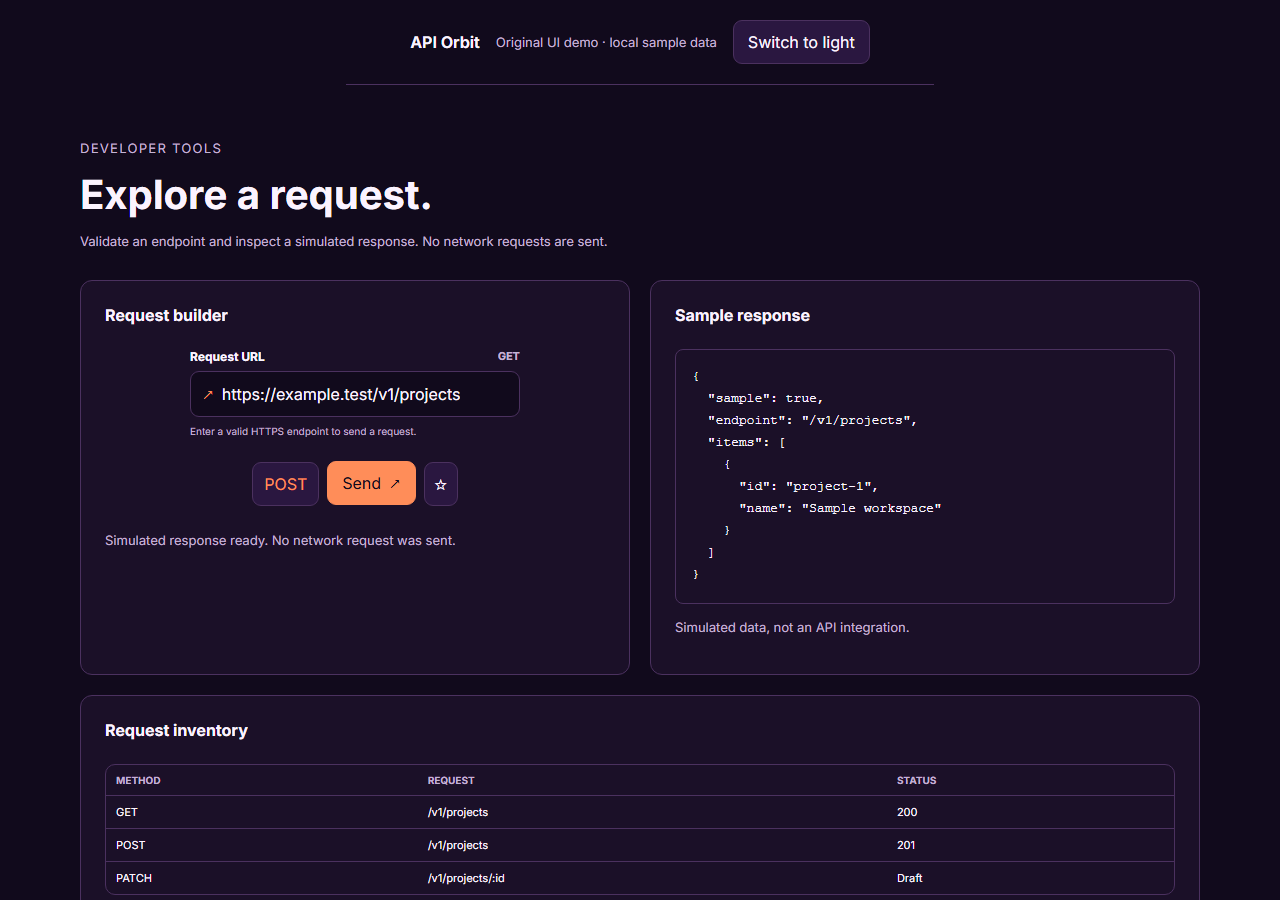
An unofficial, original Postman-inspired interface study with 14 focused specimens supported by the live product and content experience.
 Paid source
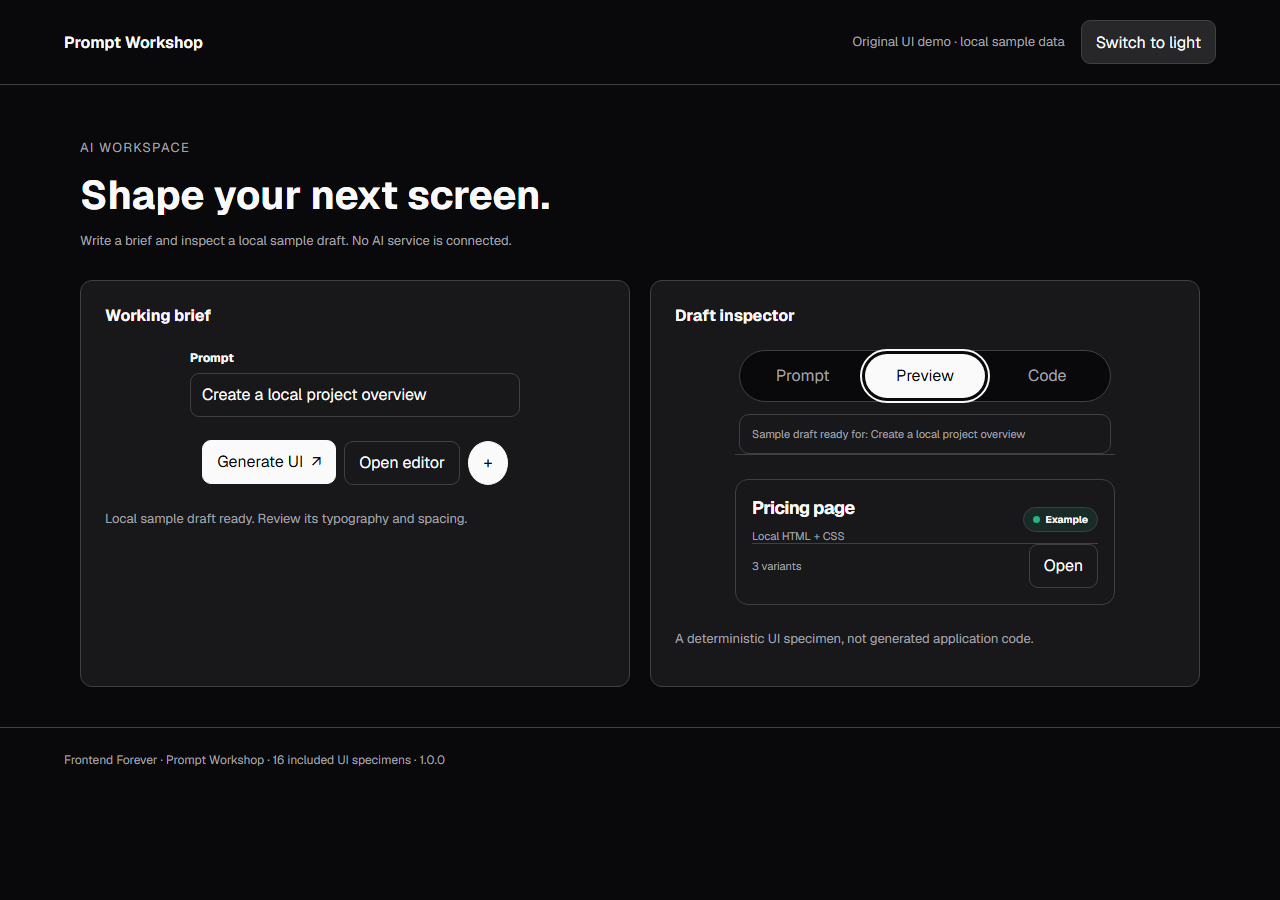
An unofficial, original v0-inspired Prompt Workshop system grounded in 16 retained, evidence-backed interface patterns.
 Paid source
13 focused, original elements for Borderless Ledger.
 Paid source
A high-contrast studio language for a platform that moves between creative production, developer workflows, robotics, research, and enterprise. The system uses a dark stage, warm action color, and compact cross-platform wayfinding without copying Runway's wordmark, content, or media. Responsive previews and 8 evidence-backed interface elements.
 Paid source
An original, unofficial Observable-inspired system for reactive notebooks, executable explanations, and data visualization surfaces. It retains only 11 focused elements supported by Observable's live notebook and chart workflows.
 Paid source
A friendly builder language for moving from prompt to app: vivid purple/green accents, a prominent idea field, artifact type selection, parallel execution, built-in infrastructure, team plans, agent chat, and a clear publish handoff. It is an original study without Replit's logo, pixel font, testimonials, screenshots, or protected copy. Responsive previews and 14 evidence-backed interface elements.
 Paid source
An unofficial, original Perplexity-inspired interface study with 13 focused specimens supported by the live product and content experience.
 Paid source
An unofficial, original StackBlitz-inspired Browser Forge system grounded in 17 retained, evidence-backed interface patterns.
 Paid source
An original, unofficial Next.js-inspired system for framework onboarding, documentation discovery, feature explanation, and full-stack web product surfaces. It retains only 13 focused elements supported by Next.js's live site.
 Paid source
8 focused, original elements for Utility Craft.
 Paid source
A quiet research-lab language shaped by a near-black canvas, small route labels, concise public explanations, and restrained project groupings. It borrows the live site's editorial structure without reproducing its mark, copy, imagery, or protected product assets. Responsive previews and 5 evidence-backed interface elements.
 Paid source
An unofficial, original OpenAI-inspired interface study with 9 focused specimens supported by the live product and content experience.
 Paid source
An original, unofficial Deno-inspired system for runtime onboarding, built-in developer tooling, and security-aware technical marketing surfaces. It retains only 13 focused elements supported by Deno's live landing-page workflows.
 Paid source
An unofficial, original Lovable-inspired Product Canvas system grounded in 15 retained, evidence-backed interface patterns.
 Paid source
12 focused, original elements for Delivery Studio.
 Paid source
An unofficial, original 1Password-inspired interface study with 14 focused specimens supported by the live product and content experience.
 Paid source
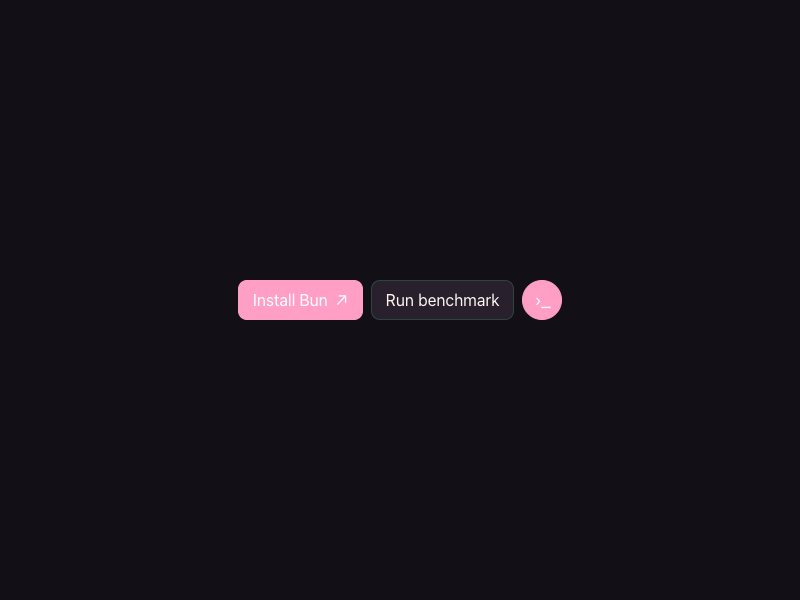
An original, unofficial Bun-inspired system for fast JavaScript tooling, install proof, benchmark comparison, and toolkit navigation. It retains only 14 focused elements supported by Bun's live product story.
 Paid source
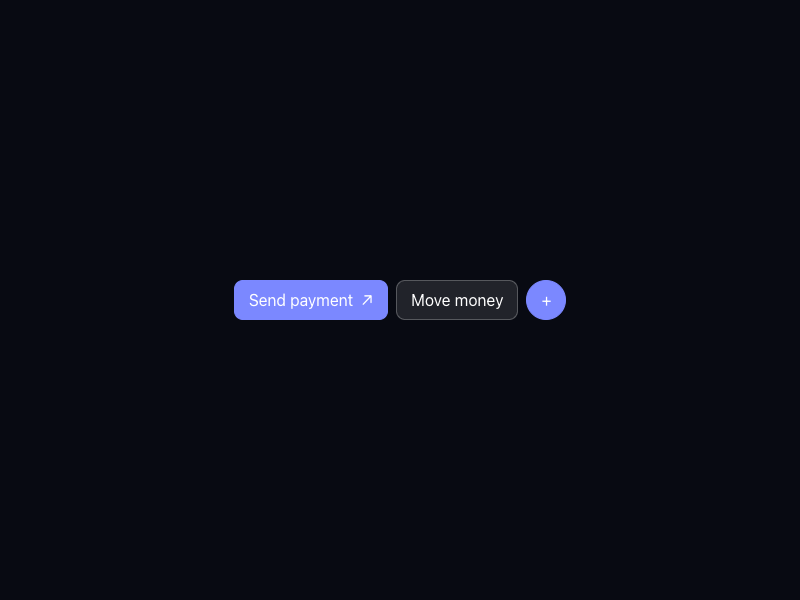
14 focused, original elements for Orbit Treasury.
Choose a kit, understand its guidance, connect its styles, and build with the approved component collection.
Try its delivered previews and check verified stack, theme support and access before choosing it.
Start with the implementation instructions and use the tokens as the shared language for every screen.
Use the full package when available. Follow its README and keep untested framework conversions marked unverified.
Reuse the kit's original specimens and verify your result against the delivered demo at desktop and mobile sizes.